Buy yud.eu ?
We are moving the project
yud.eu .
Are you interested in purchasing the domain
yud.eu ?
domain@kv-gmbh.de · 0541-91531010
Buy yud.eu ?
How does the skin on the palms of the hands peel off?
The skin on the palms of the hands peels off as a natural part of the skin's renewal process. The outer layer of the skin, called the epidermis, constantly sheds dead skin cells to make way for new cells. This shedding process is accelerated by factors such as friction, dryness, or exposure to certain chemicals. As a result, the old skin cells on the palms of the hands eventually loosen and peel off, revealing the fresh layer of skin underneath. **
How does skin peel off from the palms and soles of the hands and feet?
Skin peeling from the palms and soles of the hands and feet is a natural process that occurs as part of the skin's renewal cycle. The outer layer of the skin, known as the epidermis, constantly sheds dead skin cells to make way for new cells. Factors such as friction, dryness, and exposure to chemicals or irritants can accelerate this process, leading to visible peeling. Regular exfoliation, moisturizing, and protecting the skin can help maintain its health and prevent excessive peeling. **

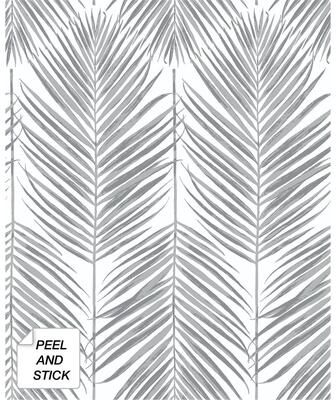
Similar search terms for NextWall-Paradise-Palms-Peel
Top-Angebote
Products related to NextWall-Paradise-Palms-Peel:
-
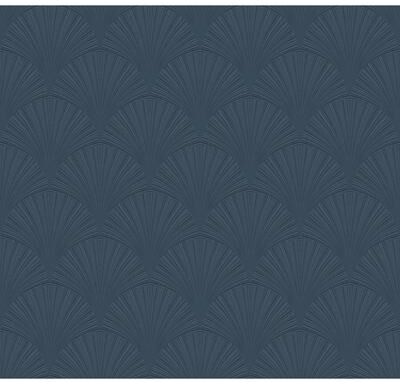
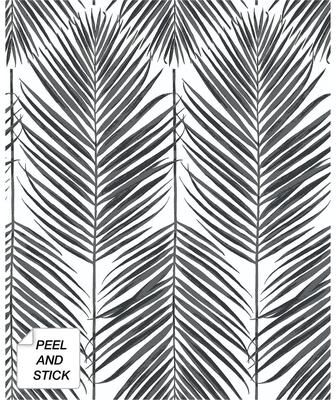
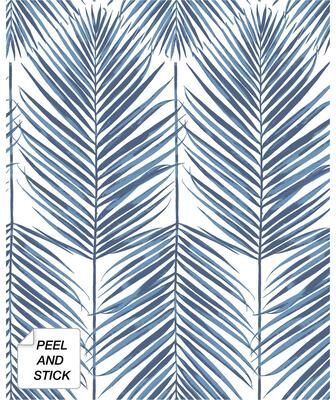
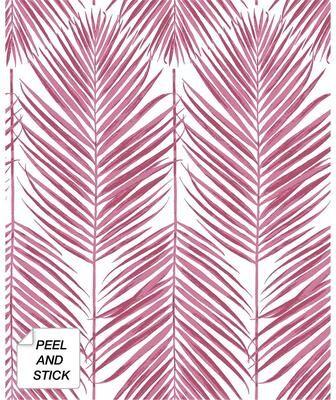
NextWall Paradise Palm Peel-and-Stick WallpaperTransform your living space into a tranquil paradise with NextWall Paradise Palm Peel-and-Stick Wallpaper. Made of smooth vinyl, this self-adhesive wallpaper is perfect for an instant DIY makeover.34,99 $*Shipping: 0,00 $Secure redirect to the provider


-
How does the skin peel off from the palms and soles of the hands and feet?
The skin on the palms and soles of the hands and feet naturally sheds and renews itself through a process called desquamation. This process involves the outermost layer of the skin, known as the stratum corneum, constantly sloughing off dead skin cells. Factors such as friction, pressure, and moisture can accelerate this shedding process, leading to visible peeling. Additionally, certain conditions like sunburn, fungal infections, or allergic reactions can also cause the skin to peel on the palms and soles. **
-
How does the skin on the palms and soles of the hands and feet peel off?
The skin on the palms and soles of the hands and feet peels off as a natural part of the skin renewal process. This process, known as desquamation, involves the shedding of dead skin cells from the outermost layer of the skin. The skin on the palms and soles is thicker and experiences more wear and tear, leading to a more noticeable peeling process. Factors such as friction, pressure, and exposure to water can also contribute to the peeling of skin in these areas. **
-
What does it mean to have warm palms during meditation?
Having warm palms during meditation is often associated with a sense of relaxation and inner peace. It can indicate that the body is in a state of calm and that the mind is focused and centered. In some spiritual traditions, warm palms are seen as a sign of energy flow and balance within the body. Overall, experiencing warm palms during meditation can be a positive and comforting sensation, signaling that the practice is having a positive effect on both the body and mind. **
-
Is there a timer for mindfulness training, meditation, yoga, and spirituality?
There is no set timer for mindfulness training, meditation, yoga, and spirituality as it varies from person to person. Some people may find it helpful to start with short sessions, such as 5-10 minutes, and gradually increase the duration as they become more comfortable. Others may prefer longer sessions right from the start. It's important to listen to your body and mind and find a timing that works best for you. The key is to be consistent and make it a regular practice in your daily routine. **
Types of Fan Palms
Fan palms are a diverse group of palm trees that are characterized by their fan-shaped leaves. Some common types of fan palms include the Mexican Fan Palm, which has a tall trunk and large, fan-shaped leaves, and the Windmill Palm, which is known for its cold hardiness and compact size. Other popular fan palms include the Mediterranean Fan Palm, Bismarck Palm, and California Fan Palm. Each type of fan palm has its own unique characteristics and growing requirements, making them a popular choice for landscaping in various climates. **
Types of fan palms
There are several types of fan palms, including the California fan palm (Washingtonia filifera), which is native to the southwestern United States and northern Mexico. Another type is the Mexican fan palm (Washingtonia robusta), which is taller and has a more slender trunk compared to the California fan palm. The Mediterranean fan palm (Chamaerops humilis) is a smaller species that is native to the Mediterranean region and is popular in landscaping for its compact size and drought tolerance. Overall, fan palms are known for their distinctive fan-shaped leaves and are commonly used in ornamental plantings. **
Top-Angebote
Products related to NextWall-Paradise-Palms-Peel:
-
NextWall Paradise Palm Peel-and-Stick WallpaperTransform your living space into a tranquil paradise with NextWall Paradise Palm Peel-and-Stick Wallpaper. Made of smooth vinyl, this self-adhesive wallpaper is perfect for an instant DIY makeover.34,99 $*Shipping: 0,00 $Secure redirect to the provider
-
How does the skin on the palms of the hands peel off?
The skin on the palms of the hands peels off as a natural part of the skin's renewal process. The outer layer of the skin, called the epidermis, constantly sheds dead skin cells to make way for new cells. This shedding process is accelerated by factors such as friction, dryness, or exposure to certain chemicals. As a result, the old skin cells on the palms of the hands eventually loosen and peel off, revealing the fresh layer of skin underneath. **
-
How does skin peel off from the palms and soles of the hands and feet?
Skin peeling from the palms and soles of the hands and feet is a natural process that occurs as part of the skin's renewal cycle. The outer layer of the skin, known as the epidermis, constantly sheds dead skin cells to make way for new cells. Factors such as friction, dryness, and exposure to chemicals or irritants can accelerate this process, leading to visible peeling. Regular exfoliation, moisturizing, and protecting the skin can help maintain its health and prevent excessive peeling. **
-
How does the skin peel off from the palms and soles of the hands and feet?
The skin on the palms and soles of the hands and feet naturally sheds and renews itself through a process called desquamation. This process involves the outermost layer of the skin, known as the stratum corneum, constantly sloughing off dead skin cells. Factors such as friction, pressure, and moisture can accelerate this shedding process, leading to visible peeling. Additionally, certain conditions like sunburn, fungal infections, or allergic reactions can also cause the skin to peel on the palms and soles. **
-
How does the skin on the palms and soles of the hands and feet peel off?
The skin on the palms and soles of the hands and feet peels off as a natural part of the skin renewal process. This process, known as desquamation, involves the shedding of dead skin cells from the outermost layer of the skin. The skin on the palms and soles is thicker and experiences more wear and tear, leading to a more noticeable peeling process. Factors such as friction, pressure, and exposure to water can also contribute to the peeling of skin in these areas. **
Similar search terms for NextWall-Paradise-Palms-Peel
-
NextWall Paradise Palm Peel-and-Stick WallpaperTransform your living space into a tranquil paradise with NextWall Paradise Palm Peel-and-Stick Wallpaper. Made of smooth vinyl, this self-adhesive wallpaper is perfect for an instant DIY makeover.34,99 $*Shipping: 0,00 $Secure redirect to the provider
-
NextWall Paradise Palm Peel-and-Stick WallpaperTransform your living space into a tranquil paradise with NextWall Paradise Palm Peel-and-Stick Wallpaper. Made of smooth vinyl, this self-adhesive wallpaper is perfect for an instant DIY makeover.35,99 $*Shipping: 0,00 $Secure redirect to the provider
-
NextWall Paradise Palm Peel-and-Stick WallpaperTransform your living space into a tranquil paradise with NextWall Paradise Palm Peel-and-Stick Wallpaper. Made of smooth vinyl, this self-adhesive wallpaper is perfect for an instant DIY makeover.34,99 $*Shipping: 0,00 $Secure redirect to the provider
-
What does it mean to have warm palms during meditation?
Having warm palms during meditation is often associated with a sense of relaxation and inner peace. It can indicate that the body is in a state of calm and that the mind is focused and centered. In some spiritual traditions, warm palms are seen as a sign of energy flow and balance within the body. Overall, experiencing warm palms during meditation can be a positive and comforting sensation, signaling that the practice is having a positive effect on both the body and mind. **
-
Is there a timer for mindfulness training, meditation, yoga, and spirituality?
There is no set timer for mindfulness training, meditation, yoga, and spirituality as it varies from person to person. Some people may find it helpful to start with short sessions, such as 5-10 minutes, and gradually increase the duration as they become more comfortable. Others may prefer longer sessions right from the start. It's important to listen to your body and mind and find a timing that works best for you. The key is to be consistent and make it a regular practice in your daily routine. **
-
Types of Fan Palms
Fan palms are a diverse group of palm trees that are characterized by their fan-shaped leaves. Some common types of fan palms include the Mexican Fan Palm, which has a tall trunk and large, fan-shaped leaves, and the Windmill Palm, which is known for its cold hardiness and compact size. Other popular fan palms include the Mediterranean Fan Palm, Bismarck Palm, and California Fan Palm. Each type of fan palm has its own unique characteristics and growing requirements, making them a popular choice for landscaping in various climates. **
-
Types of fan palms
There are several types of fan palms, including the California fan palm (Washingtonia filifera), which is native to the southwestern United States and northern Mexico. Another type is the Mexican fan palm (Washingtonia robusta), which is taller and has a more slender trunk compared to the California fan palm. The Mediterranean fan palm (Chamaerops humilis) is a smaller species that is native to the Mediterranean region and is popular in landscaping for its compact size and drought tolerance. Overall, fan palms are known for their distinctive fan-shaped leaves and are commonly used in ornamental plantings. **
* All prices are inclusive of VAT and, if applicable, plus shipping costs. The offer information is based on the details provided by the respective shop and is updated through automated processes. Real-time updates do not occur, so deviations can occur in individual cases. ** Note: Parts of this content were created by AI.