Buy yud.eu ?
We are moving the project
yud.eu .
Are you interested in purchasing the domain
yud.eu ?
domain@kv-gmbh.de · 0541-91531010
Buy yud.eu ?
Can cats eat hearing aids?
No, cats should not eat hearing aids. Hearing aids contain electronic components and batteries that can be harmful if ingested by cats. If a cat ingests a hearing aid, it can lead to serious health issues such as internal injuries, poisoning, or blockages in the digestive system. It is important to keep hearing aids and other small electronic devices out of reach of pets to prevent accidental ingestion. **
How does mild hearing loss sound without hearing aids?
Mild hearing loss without hearing aids may result in difficulty hearing soft or distant sounds, as well as trouble understanding speech in noisy environments. People with mild hearing loss may also struggle to hear high-pitched sounds, such as birds chirping or the beeping of a microwave. Additionally, they may find it challenging to follow conversations in group settings or when multiple people are speaking at once. Overall, mild hearing loss without hearing aids can lead to feelings of frustration and isolation in social situations. **
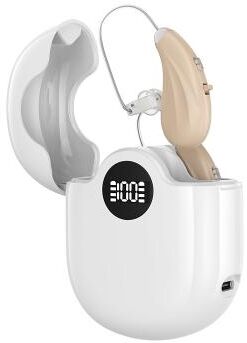
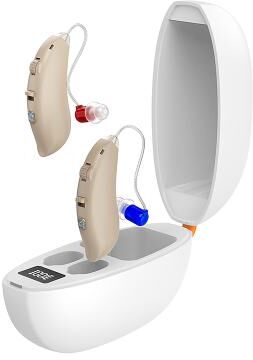
Similar search terms for LightInthebox-Hearing-Aids-Digital
Top-Angebote
Products related to LightInthebox-Hearing-Aids-Digital:
-
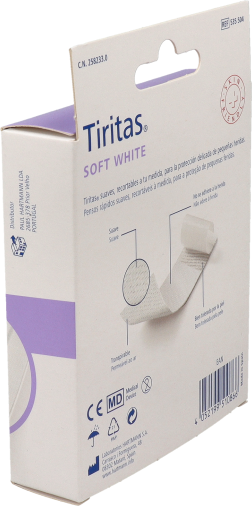
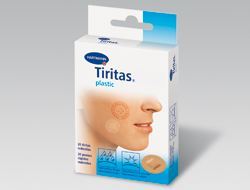
Hartmann Plastic Band-Aids 6x10cm 10 UnitsHealth and Beauty First aid kit Hartmann Plastic Band-Aids 6x10cm 10 Units TIRITAS PLASTIC 6X10cm 10 UNITS Strips with hypoallergenic adhesive well tolerated by the skin. Its absorbent gauze does not adhere to the wound. They are fixed securely and are breathable.4,86 £*Shipping: 3,99 £Secure redirect to the provider

-
Can hearing aids be disposed of?
Hearing aids should not be disposed of in regular household waste as they contain electronic components that can be harmful to the environment. Instead, hearing aids should be recycled or donated to organizations that can refurbish them for individuals in need. Many hearing aid manufacturers and audiologists offer recycling programs to properly dispose of old hearing aids in an environmentally friendly way. **
-
Can you take hearing aids swimming?
No, it is not recommended to take hearing aids swimming. Hearing aids are not designed to be waterproof and can be damaged by exposure to water. If you need to swim or engage in water activities, it is best to remove your hearing aids and store them in a safe, dry place. There are waterproof accessories and options available for some hearing aids, so it's best to consult with your audiologist for the best solution for your specific needs. **
-
Why should I wear hearing aids?
Wearing hearing aids can significantly improve your quality of life by allowing you to better communicate with others, participate in social activities, and enjoy everyday sounds. Untreated hearing loss can lead to feelings of isolation, frustration, and even cognitive decline. By wearing hearing aids, you can better engage with the world around you and maintain better overall mental and emotional well-being. Additionally, addressing hearing loss early can help prevent further deterioration of your hearing abilities. **
-
What about hearing aids in prison?
Hearing aids in prison are essential for ensuring that inmates with hearing impairments have access to communication and information. Without hearing aids, these individuals may face significant barriers in understanding instructions, participating in programs, and communicating with staff and other inmates. Providing access to hearing aids in prison is not only a matter of basic human rights, but also contributes to a safer and more inclusive environment within correctional facilities. It is important for prison systems to prioritize the provision of necessary accommodations, including hearing aids, to ensure that all inmates have equal access to resources and opportunities for rehabilitation. **


What are the perfect hearing aids for mild hearing loss?
The perfect hearing aids for mild hearing loss are typically small, discreet, and comfortable to wear. They should provide clear and natural sound quality, and have features such as background noise reduction and feedback cancellation to improve the listening experience. Additionally, they should be easy to adjust and control, and have a long battery life. It's important to consult with an audiologist to determine the best hearing aids for individual needs and preferences. **
Which hearing aids does health insurance cover?
Health insurance coverage for hearing aids varies depending on the insurance provider and plan. Some health insurance plans may cover a portion of the cost of hearing aids, while others may not cover them at all. It is important to check with your specific health insurance provider to understand what coverage is available for hearing aids under your plan. Additionally, some insurance plans may require a referral from a healthcare provider or a specific diagnosis of hearing loss in order to qualify for coverage. **
Top-Angebote
Products related to LightInthebox-Hearing-Aids-Digital:
-
Can cats eat hearing aids?
No, cats should not eat hearing aids. Hearing aids contain electronic components and batteries that can be harmful if ingested by cats. If a cat ingests a hearing aid, it can lead to serious health issues such as internal injuries, poisoning, or blockages in the digestive system. It is important to keep hearing aids and other small electronic devices out of reach of pets to prevent accidental ingestion. **
-
How does mild hearing loss sound without hearing aids?
Mild hearing loss without hearing aids may result in difficulty hearing soft or distant sounds, as well as trouble understanding speech in noisy environments. People with mild hearing loss may also struggle to hear high-pitched sounds, such as birds chirping or the beeping of a microwave. Additionally, they may find it challenging to follow conversations in group settings or when multiple people are speaking at once. Overall, mild hearing loss without hearing aids can lead to feelings of frustration and isolation in social situations. **
-
Can hearing aids be disposed of?
Hearing aids should not be disposed of in regular household waste as they contain electronic components that can be harmful to the environment. Instead, hearing aids should be recycled or donated to organizations that can refurbish them for individuals in need. Many hearing aid manufacturers and audiologists offer recycling programs to properly dispose of old hearing aids in an environmentally friendly way. **
-
Can you take hearing aids swimming?
No, it is not recommended to take hearing aids swimming. Hearing aids are not designed to be waterproof and can be damaged by exposure to water. If you need to swim or engage in water activities, it is best to remove your hearing aids and store them in a safe, dry place. There are waterproof accessories and options available for some hearing aids, so it's best to consult with your audiologist for the best solution for your specific needs. **
Similar search terms for LightInthebox-Hearing-Aids-Digital
-
Hartmann Plastic Band-Aids 6x10cm 10 UnitsHealth and Beauty First aid kit Hartmann Plastic Band-Aids 6x10cm 10 Units TIRITAS PLASTIC 6X10cm 10 UNITS Strips with hypoallergenic adhesive well tolerated by the skin. Its absorbent gauze does not adhere to the wound. They are fixed securely and are breathable.4,86 £*Shipping: 3,99 £Secure redirect to the provider
-
Why should I wear hearing aids?
Wearing hearing aids can significantly improve your quality of life by allowing you to better communicate with others, participate in social activities, and enjoy everyday sounds. Untreated hearing loss can lead to feelings of isolation, frustration, and even cognitive decline. By wearing hearing aids, you can better engage with the world around you and maintain better overall mental and emotional well-being. Additionally, addressing hearing loss early can help prevent further deterioration of your hearing abilities. **
-
What about hearing aids in prison?
Hearing aids in prison are essential for ensuring that inmates with hearing impairments have access to communication and information. Without hearing aids, these individuals may face significant barriers in understanding instructions, participating in programs, and communicating with staff and other inmates. Providing access to hearing aids in prison is not only a matter of basic human rights, but also contributes to a safer and more inclusive environment within correctional facilities. It is important for prison systems to prioritize the provision of necessary accommodations, including hearing aids, to ensure that all inmates have equal access to resources and opportunities for rehabilitation. **
-
What are the perfect hearing aids for mild hearing loss?
The perfect hearing aids for mild hearing loss are typically small, discreet, and comfortable to wear. They should provide clear and natural sound quality, and have features such as background noise reduction and feedback cancellation to improve the listening experience. Additionally, they should be easy to adjust and control, and have a long battery life. It's important to consult with an audiologist to determine the best hearing aids for individual needs and preferences. **
-
Which hearing aids does health insurance cover?
Health insurance coverage for hearing aids varies depending on the insurance provider and plan. Some health insurance plans may cover a portion of the cost of hearing aids, while others may not cover them at all. It is important to check with your specific health insurance provider to understand what coverage is available for hearing aids under your plan. Additionally, some insurance plans may require a referral from a healthcare provider or a specific diagnosis of hearing loss in order to qualify for coverage. **
* All prices are inclusive of VAT and, if applicable, plus shipping costs. The offer information is based on the details provided by the respective shop and is updated through automated processes. Real-time updates do not occur, so deviations can occur in individual cases. ** Note: Parts of this content were created by AI.