Buy yud.eu ?
We are moving the project
yud.eu .
Are you interested in purchasing the domain
yud.eu ?
domain@kv-gmbh.de · 0541-91531010
Buy yud.eu ?
Why dative?
The dative case is used in many languages to indicate the indirect object of a verb, showing to whom or for whom an action is done. It helps clarify the recipient of an action or the person who benefits from it. By using the dative case, speakers can provide more specific information about the relationships between the subject, verb, and object in a sentence. This case is essential for conveying nuances of meaning and ensuring clear communication in various contexts. **
Is there a timer for mindfulness training, meditation, yoga, and spirituality?
There is no set timer for mindfulness training, meditation, yoga, and spirituality as it varies from person to person. Some people may find it helpful to start with short sessions, such as 5-10 minutes, and gradually increase the duration as they become more comfortable. Others may prefer longer sessions right from the start. It's important to listen to your body and mind and find a timing that works best for you. The key is to be consistent and make it a regular practice in your daily routine. **

Similar search terms for Dative
Top-Angebote
Products related to Dative:
-
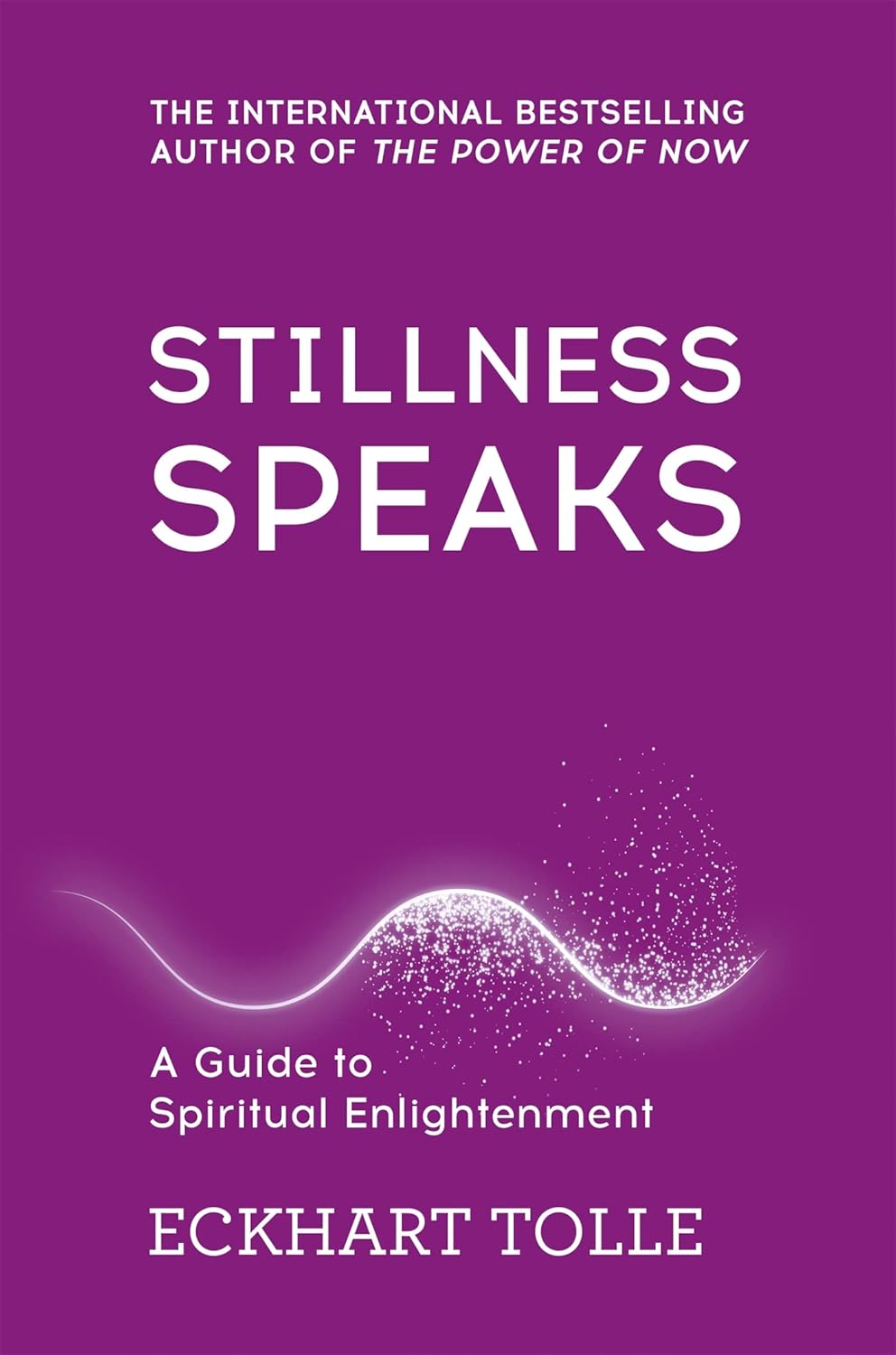
Yellow Kite Stillness Speaks: Whispers of Now by Eckhart Tolle - New Paperback - Mindfulness & Spirituality Companion to The Power of NowStillness Speaks is a companion to The Power of Now by Eckhart Tolle, distilling his teaching on presence into short, contemplative verses. Written for readers familiar with his work and newcomers alike, it offers a gentle route into stillness, silence, and awareness. This paperback edition is ideal for daily reflection, gifting, or building a spirituality and mindfulness collection. First published in 2003, Stillness Speaks marked a shift in style for Eckhart Tolle, featuring short, verse-like passages grouped by theme, inviting the reader to pause and notice the present moment.2,99 £*Shipping: 2,99 £Secure redirect to the provider
-
Yellow Kite 10% Happier by Dan Harris 2 Books Collection Set - Paperback - 10% Happier & Meditation for Fidgety Skeptics - Adult Mindfulness & MeditationDiscover a more mindful you with the 10% Happier 2 Books Collection Set by Dan Harris. This set includes his landmark memoir, 10% Happier, and its hands-on companion guide, Meditation for Fidgety Skeptics. Written in a warm, funny, and grounded style, these books turn the real benefits of meditation into small, sustainable habits you can actually keep. Perfect for busy, restless, and skeptical minds, this set is ideal for beginners, lapsed meditators, and anyone curious about a calmer, less reactive way to live. The books are published by Yellow Kite and Hodder, and are available in paperback format. The ISBN numbers for the books are 9781529329032 and 9781473691391, respectively. The age range for this product is adult.13,99 £*Shipping: 2,99 £Secure redirect to the provider
-
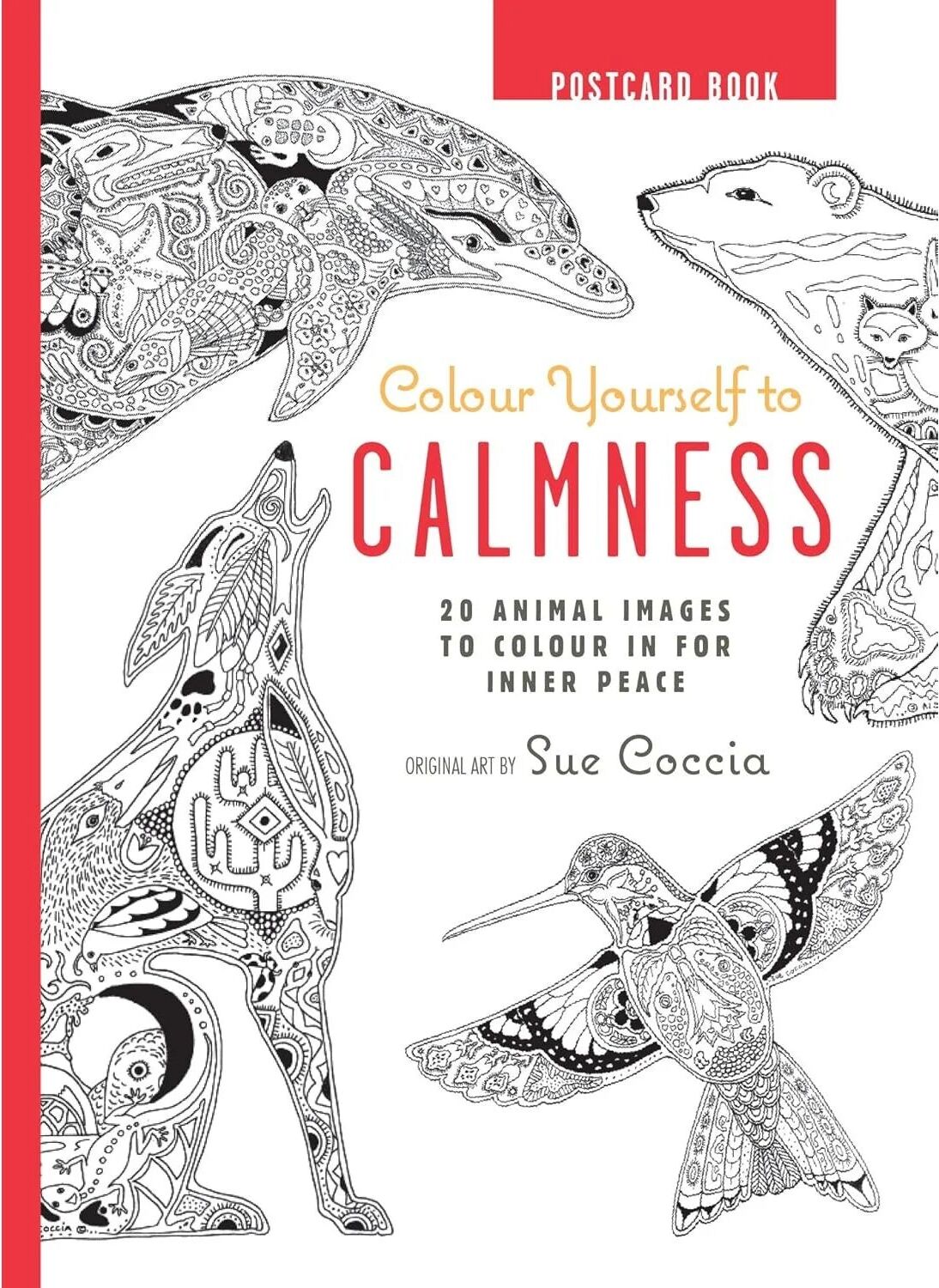
CICO Books Colour Yourself to Calmness Postcard Book by Sue Coccia - Hardback Adult Colouring Book - 20 Animal Illustrations to Colour & Post - Mindfulness GiftEscape into a world of creativity and calm with the Colour Yourself to Calmness Postcard Book by acclaimed artist Sue Coccia. This hardback collection presents twenty hand-drawn animal illustrations, each reproduced as a detachable postcard ready to colour, send, or display. Designed for adults seeking a mindful, screen-free way to unwind, it blends therapeutic colouring with nature-inspired art, making it a thoughtful gift for wildlife lovers, colouring fans, or anyone craving quiet, creative moments. The book brings together twenty of Sue Coccia's beloved animal designs, from bears and wolves to birds and dolphins, each rendered in intricate pen-and-ink detail that rewards slow, mindful colouring. Every image is printed on a sturdy, perforated postcard, so once coloured it can be torn out and posted to a friend, tucked into a card, or framed. Published by CICO Books, this book features a sturdy hardback format and ISBN 9781782493501.4,49 £*Shipping: 2,99 £Secure redirect to the provider
-
I Love Wellness Calm bath salt for relaxation 500 gI Love Wellness Calm, 500 g, Bath Salts for Women, Do you love long baths in nice hot water? Your favourite relaxation ritual can be enhanced and taken to another level by I Love Wellness Calmbath salts. It lets you create a fragrant salt bath right in your own home, allowing tension and feelings of inner turmoil to melt away while creating a wonderful sense of well-being. But you don't just get the relaxation you deserve, although the intoxicating smell of salt certainly invites you to do so. Apart from relaxation, your body will also be treated to regeneration. Salt is rich in natural minerals, so it will help with skin regeneration and contribute to relieving any skin issues you may have. Characteristics: relaxing effect has a pleasant fragrance moisturises and softens strengthens the skin’s defences has a relaxing effect on the muscles of the body Ingredients: vegan product camomile extract – soothes, counteracts irritation, helps reduce redness and promotes regeneration How to use: Pour into a warm bath and allow to dissolve.3,68 £*Shipping: 3,99 £Secure redirect to the provider


-
Dative or accusative?
Dative and accusative are two different cases in grammar that indicate the relationship between a verb and its object. The dative case is used to show the indirect object of a verb, while the accusative case is used to show the direct object. To determine whether to use dative or accusative, you need to consider the verb in the sentence and identify whether the object is receiving the action directly (accusative) or indirectly (dative). **
-
Why dative case?
The dative case is used to indicate the indirect object of a sentence, showing to whom or for whom an action is being done. It helps to clarify the relationships between the different elements of a sentence and is essential for conveying the correct meaning. In many languages, including German, Russian, and Latin, the dative case is an important part of the grammar and is used in a wide range of contexts. Overall, the dative case is important for expressing the recipient or beneficiary of an action and is an essential part of understanding and using these languages effectively. **
-
When to use dative?
The dative case is used in German to indicate the indirect object of a sentence, which is the person or thing that receives the direct object. It is also used after certain prepositions, such as "mit" (with), "nach" (after), and "von" (from). Additionally, the dative case is used with certain verbs that require an indirect object, such as "helfen" (to help) or "antworten" (to answer). **
-
Tolerate dative or accusative?
Whether to use the dative or accusative case in German depends on the verb being used and the prepositions that accompany it. Some verbs require the dative case, such as helfen (to help) or danken (to thank), while others require the accusative case, such as sehen (to see) or essen (to eat). It is important to learn which case each verb requires in order to use the correct form in a sentence. **

Dative or Genitive 2?
The choice between dative and genitive case in German depends on the verb or preposition being used. "Dative" is used to indicate the indirect object of a sentence, while "genitive" is used to show possession or a relationship between two nouns. "Genitive 2" specifically refers to the genitive case used after certain prepositions, such as trotz (despite) or während (during). It's important to learn the specific prepositions and verbs that require either dative or genitive case in order to use them correctly in German sentences. **
What are dative adjectives?
Dative adjectives are adjectives that are used to describe nouns in the dative case. In many languages, including German and Latin, the dative case is used to indicate the indirect object of a verb or the recipient of an action. Dative adjectives agree in gender, number, and case with the noun they are describing, and they often convey a sense of possession, benefit, or disadvantage. For example, in German, the dative adjective "guten" (good) would be used to describe a masculine singular noun in the dative case, such as "dem Mann" (to the man). **
Top-Angebote
Products related to Dative:
-
Coronet The Headspace Guide to Mindfulness & Meditation by Andy Puddicombe - Paperback - 10 Minute Daily Meditation for AdultsDiscover the accessible world of mindfulness and meditation with The Headspace Guide to Mindfulness and Meditation by Andy Puddicombe. This practical guide, written in a warm and jargon-free voice, offers a science-friendly framework for complete beginners and lapsed meditators alike. Andy Puddicombe, a former Buddhist monk, distills a decade of monastic training into ten-minute daily practices that can help restore calm, clarity, and focus. By committing to just ten minutes a day, you can meaningfully change how you read and live your life. This paperback reissue of Get Some Headspace provides a clear and accessible route into modern meditation, making it easy to incorporate mindfulness into your busy schedule.2,99 £*Shipping: 2,99 £Secure redirect to the provider
-
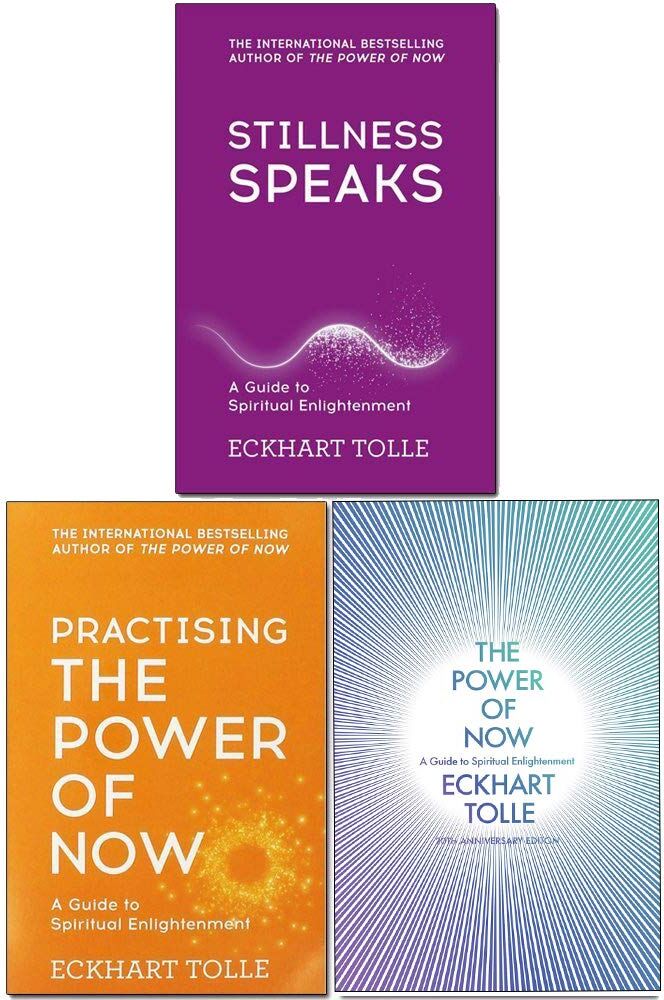
Yellow Kite The Power of Now 3 Books Collection Set by Eckhart Tolle - Paperback - Mindfulness & Spirituality Gift SetThis paperback boxed set brings together three of Eckhart Tolle's most influential works on presence and inner peace. The collection begins with the modern classic 'The Power of Now: A Guide to Spiritual Enlightenment', which guides readers to step outside the analytical mind and the ego and discover the freedom found in the present moment. It then moves into practical daily exercises in 'Practising the Power of Now' and closes with short, meditative reflections in 'Stillness Speaks: Whispers of Now'. Together, these books form an accessible introduction to living mindfully, making this an ideal gift for anyone starting or deepening a journey towards calmer, present-focused living.19,99 £*Shipping: 2,99 £Secure redirect to the provider
-
Yellow Kite Stillness Speaks: Whispers of Now by Eckhart Tolle - New Paperback - Mindfulness & Spirituality Companion to The Power of NowStillness Speaks is a companion to The Power of Now by Eckhart Tolle, distilling his teaching on presence into short, contemplative verses. Written for readers familiar with his work and newcomers alike, it offers a gentle route into stillness, silence, and awareness. This paperback edition is ideal for daily reflection, gifting, or building a spirituality and mindfulness collection. First published in 2003, Stillness Speaks marked a shift in style for Eckhart Tolle, featuring short, verse-like passages grouped by theme, inviting the reader to pause and notice the present moment.2,99 £*Shipping: 2,99 £Secure redirect to the provider
-
Yellow Kite 10% Happier by Dan Harris 2 Books Collection Set - Paperback - 10% Happier & Meditation for Fidgety Skeptics - Adult Mindfulness & MeditationDiscover a more mindful you with the 10% Happier 2 Books Collection Set by Dan Harris. This set includes his landmark memoir, 10% Happier, and its hands-on companion guide, Meditation for Fidgety Skeptics. Written in a warm, funny, and grounded style, these books turn the real benefits of meditation into small, sustainable habits you can actually keep. Perfect for busy, restless, and skeptical minds, this set is ideal for beginners, lapsed meditators, and anyone curious about a calmer, less reactive way to live. The books are published by Yellow Kite and Hodder, and are available in paperback format. The ISBN numbers for the books are 9781529329032 and 9781473691391, respectively. The age range for this product is adult.13,99 £*Shipping: 2,99 £Secure redirect to the provider
-
Why dative?
The dative case is used in many languages to indicate the indirect object of a verb, showing to whom or for whom an action is done. It helps clarify the recipient of an action or the person who benefits from it. By using the dative case, speakers can provide more specific information about the relationships between the subject, verb, and object in a sentence. This case is essential for conveying nuances of meaning and ensuring clear communication in various contexts. **
-
Is there a timer for mindfulness training, meditation, yoga, and spirituality?
There is no set timer for mindfulness training, meditation, yoga, and spirituality as it varies from person to person. Some people may find it helpful to start with short sessions, such as 5-10 minutes, and gradually increase the duration as they become more comfortable. Others may prefer longer sessions right from the start. It's important to listen to your body and mind and find a timing that works best for you. The key is to be consistent and make it a regular practice in your daily routine. **
-
Dative or accusative?
Dative and accusative are two different cases in grammar that indicate the relationship between a verb and its object. The dative case is used to show the indirect object of a verb, while the accusative case is used to show the direct object. To determine whether to use dative or accusative, you need to consider the verb in the sentence and identify whether the object is receiving the action directly (accusative) or indirectly (dative). **
-
Why dative case?
The dative case is used to indicate the indirect object of a sentence, showing to whom or for whom an action is being done. It helps to clarify the relationships between the different elements of a sentence and is essential for conveying the correct meaning. In many languages, including German, Russian, and Latin, the dative case is an important part of the grammar and is used in a wide range of contexts. Overall, the dative case is important for expressing the recipient or beneficiary of an action and is an essential part of understanding and using these languages effectively. **
Similar search terms for Dative
-
CICO Books Colour Yourself to Calmness Postcard Book by Sue Coccia - Hardback Adult Colouring Book - 20 Animal Illustrations to Colour & Post - Mindfulness GiftEscape into a world of creativity and calm with the Colour Yourself to Calmness Postcard Book by acclaimed artist Sue Coccia. This hardback collection presents twenty hand-drawn animal illustrations, each reproduced as a detachable postcard ready to colour, send, or display. Designed for adults seeking a mindful, screen-free way to unwind, it blends therapeutic colouring with nature-inspired art, making it a thoughtful gift for wildlife lovers, colouring fans, or anyone craving quiet, creative moments. The book brings together twenty of Sue Coccia's beloved animal designs, from bears and wolves to birds and dolphins, each rendered in intricate pen-and-ink detail that rewards slow, mindful colouring. Every image is printed on a sturdy, perforated postcard, so once coloured it can be torn out and posted to a friend, tucked into a card, or framed. Published by CICO Books, this book features a sturdy hardback format and ISBN 9781782493501.4,49 £*Shipping: 2,99 £Secure redirect to the provider
-
I Love Wellness Calm bath salt for relaxation 500 gI Love Wellness Calm, 500 g, Bath Salts for Women, Do you love long baths in nice hot water? Your favourite relaxation ritual can be enhanced and taken to another level by I Love Wellness Calmbath salts. It lets you create a fragrant salt bath right in your own home, allowing tension and feelings of inner turmoil to melt away while creating a wonderful sense of well-being. But you don't just get the relaxation you deserve, although the intoxicating smell of salt certainly invites you to do so. Apart from relaxation, your body will also be treated to regeneration. Salt is rich in natural minerals, so it will help with skin regeneration and contribute to relieving any skin issues you may have. Characteristics: relaxing effect has a pleasant fragrance moisturises and softens strengthens the skin’s defences has a relaxing effect on the muscles of the body Ingredients: vegan product camomile extract – soothes, counteracts irritation, helps reduce redness and promotes regeneration How to use: Pour into a warm bath and allow to dissolve.3,68 £*Shipping: 3,99 £Secure redirect to the provider
-
Smells Like Spells Rune Candle Mimir scented candle (relaxation/meditation) 300 gSmells Like Spells Rune Candle Mimir, 300 g, Scented Candles Home Scents, The mood and atmosphere of a space can be changed instantly by fragrance. The Smells Like Spells Rune Candle Mimir scented candle fills your home with fragrance and creates a pleasant atmosphere for relaxation and those everyday moments spent on your own or with loved ones. The flickering, quietly crackling flame also adds a warm, soothing atmosphere to the room. Characteristics: a fresh fragrance vegan product ideal as a gift long burning time handmade clean burning a luxurious accessory for any room Ingredients: 100% soy wax 100% natural ingredients GMO-free paraffin-free non-toxic formula cotton wick How to use: For optimal burning, we recommend regularly trimming the wick down to the recommended length. Follow the instructions included.13,00 £*Shipping: 3,99 £Secure redirect to the provider
-
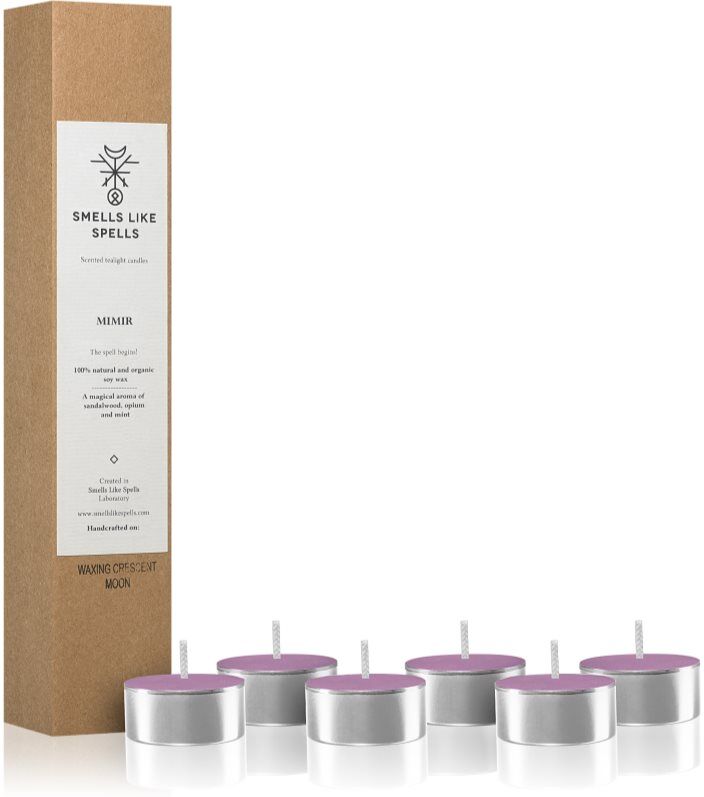
Smells Like Spells Norse Magic Mimir tealight candle (relaxation/meditation) 6 pcSmells Like Spells Norse Magic Mimir, 6 pc, Scented Candles Home Scents, The Smells Like Spells Norse Magic Mimir tealight creates an atmosphere for every romantic dinner or regular evening. A candle placed in a candlestick becomes a home accessory and gives your smaller rooms a pleasant scent. A combination of several fragrances allows you to create a fragrant experience to your liking. Characteristics: a woody fragrance a fresh fragrance How to use: Place the candle on a heat-resistant surface. Do not leave to burn for more than four hours. Never let the candle burn to the end. Never leave a burning candle unattended or close to easily flammable objects. Keep out of the reach of children and pets.6,50 £*Shipping: 3,99 £Secure redirect to the provider
-
When to use dative?
The dative case is used in German to indicate the indirect object of a sentence, which is the person or thing that receives the direct object. It is also used after certain prepositions, such as "mit" (with), "nach" (after), and "von" (from). Additionally, the dative case is used with certain verbs that require an indirect object, such as "helfen" (to help) or "antworten" (to answer). **
-
Tolerate dative or accusative?
Whether to use the dative or accusative case in German depends on the verb being used and the prepositions that accompany it. Some verbs require the dative case, such as helfen (to help) or danken (to thank), while others require the accusative case, such as sehen (to see) or essen (to eat). It is important to learn which case each verb requires in order to use the correct form in a sentence. **
-
Dative or Genitive 2?
The choice between dative and genitive case in German depends on the verb or preposition being used. "Dative" is used to indicate the indirect object of a sentence, while "genitive" is used to show possession or a relationship between two nouns. "Genitive 2" specifically refers to the genitive case used after certain prepositions, such as trotz (despite) or während (during). It's important to learn the specific prepositions and verbs that require either dative or genitive case in order to use them correctly in German sentences. **
-
What are dative adjectives?
Dative adjectives are adjectives that are used to describe nouns in the dative case. In many languages, including German and Latin, the dative case is used to indicate the indirect object of a verb or the recipient of an action. Dative adjectives agree in gender, number, and case with the noun they are describing, and they often convey a sense of possession, benefit, or disadvantage. For example, in German, the dative adjective "guten" (good) would be used to describe a masculine singular noun in the dative case, such as "dem Mann" (to the man). **
* All prices are inclusive of VAT and, if applicable, plus shipping costs. The offer information is based on the details provided by the respective shop and is updated through automated processes. Real-time updates do not occur, so deviations can occur in individual cases. ** Note: Parts of this content were created by AI.